Sourdough Scones Recipe
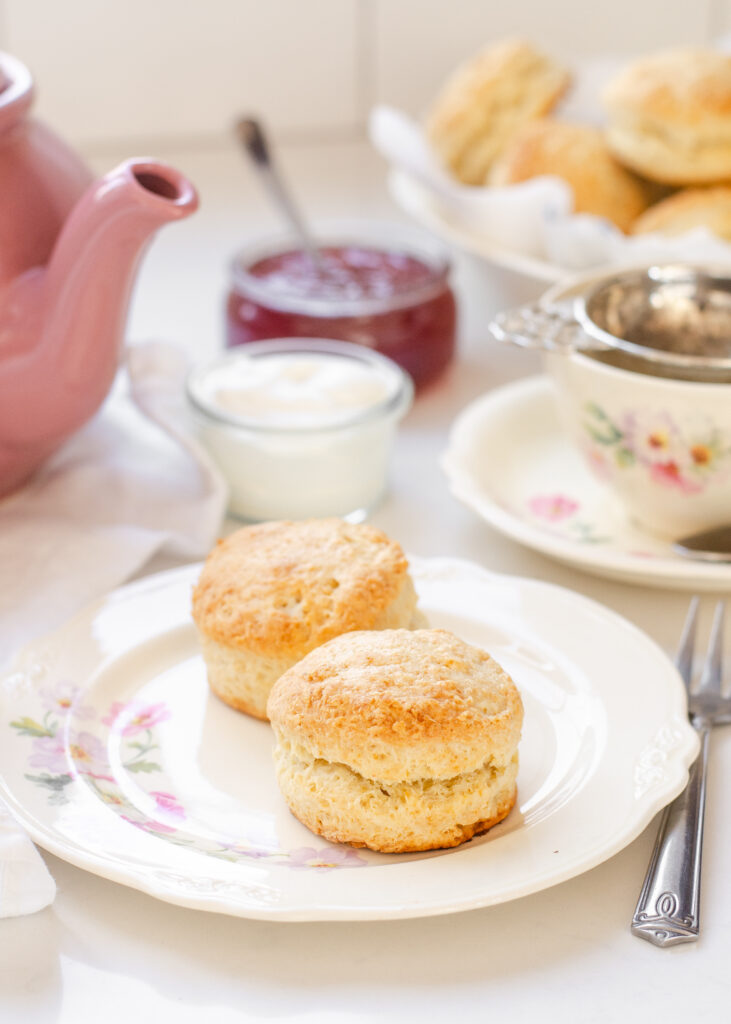
Learn how to make tender Sourdough Scones with this step-by-step recipe! Perfect for using up extra sourdough discard!
Do you know one thing a lot of sourdough bakers love to hoard? Good discard recipes.
It's so nice to have a stash of go-to discard recipes that you can pull out when you've got too much starter on hand.
And once you try these Sourdough Discard Scones, you're going to want to add the recipe your stockpile!
These are tender and scrumptious and perfect for an afternoon tea.
But enough chit-chat. Let's make them!
Video Tutorial
Here's a video tutorial of the recipe for those of us who like to learn by watching! The full written tutorial and printable recipe are below.
Ingredient Notes
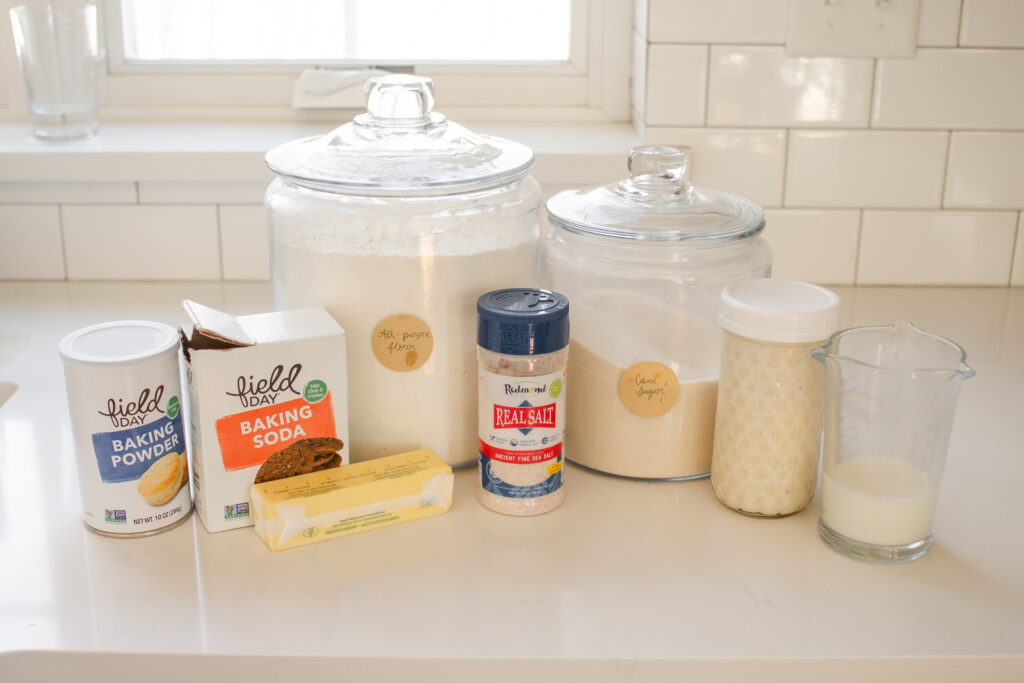
You'll only need a few simple ingredients to make these sourdough scones:
- All-Purpose Flour: I used organic all-purpose flour to test this scone recipe, but I'm sure conventional AP flour would work as well.
- Baking Soda and Baking Powder: Since these scones aren't long fermented like sourdough bread, you'll need an instant leavening agent to get them to puff up. I used a combination of baking soda and powder in this recipe.
- Salt: I use unrefined sea salt, so you may want to reduce the salt slightly if you use table salt.
- Sugar: I like to add a little bit of sweetness to my scones. I used organic cane sugar, but I'm sure granulated sugar would work just as well. A light brown sugar could also work.
- Salted Butter: Make sure your butter is nice and cold! If all you have is unsalted butter, just increase the salt a bit.
- Milk: For best results use whole milk, but low-fat milk would work in a pinch.
- Sourdough Starter: You'll need ½ cup for a single recipe. If you want to use up more starter, simple make a double batch! Quick tip: make sure your starter is cold to help keep the dough cold!
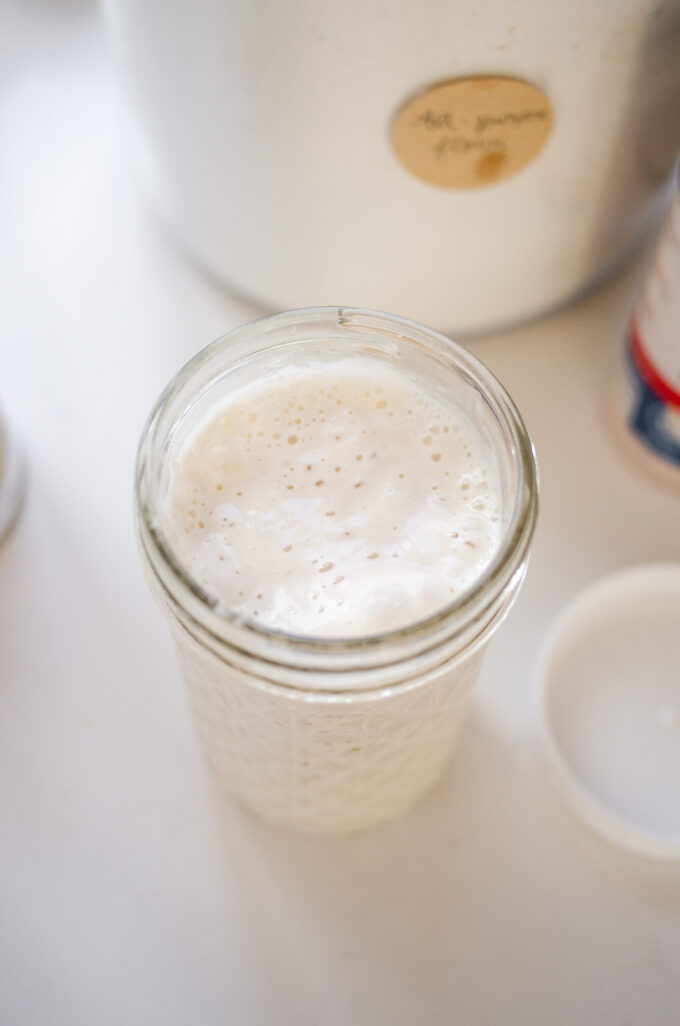
A few important notes about your sourdough starter:
- What hydration? I feed my starter at 100% hydration, which means I feed it equal weights, not volumes, of flour and water. If you feed your starter at a different hydration level, you'll want to feed it at 100% hydration for this recipe. Otherwise you may have to adjust the milk or flour quite a bit to get the proper dough consistency.
- Active or Discard? You can use either an active sourdough starter or sourdough starter discard in this recipe. Discard is starter that has risen, fallen, and is no longer strong enough to raise a loaf of bread. It can also refer to an immature starter that isn't quite strong enough to raise bread yet. Just keep in mind that if you use an active starter you'll probably need to use more milk since discard tends to be runnier.
- What flour? I feed my starter with organic all-purpose flour. If you use a whole grain flour to feed your starter, you'll get different results. It could be delicious, but just know that that's not how I tested this recipe!
Step-by-Step Instructions
Getting Ready:
Preheat your oven to 400° F (205°C). Line a cookie sheet with parchment paper.
Cutting in the Butter:
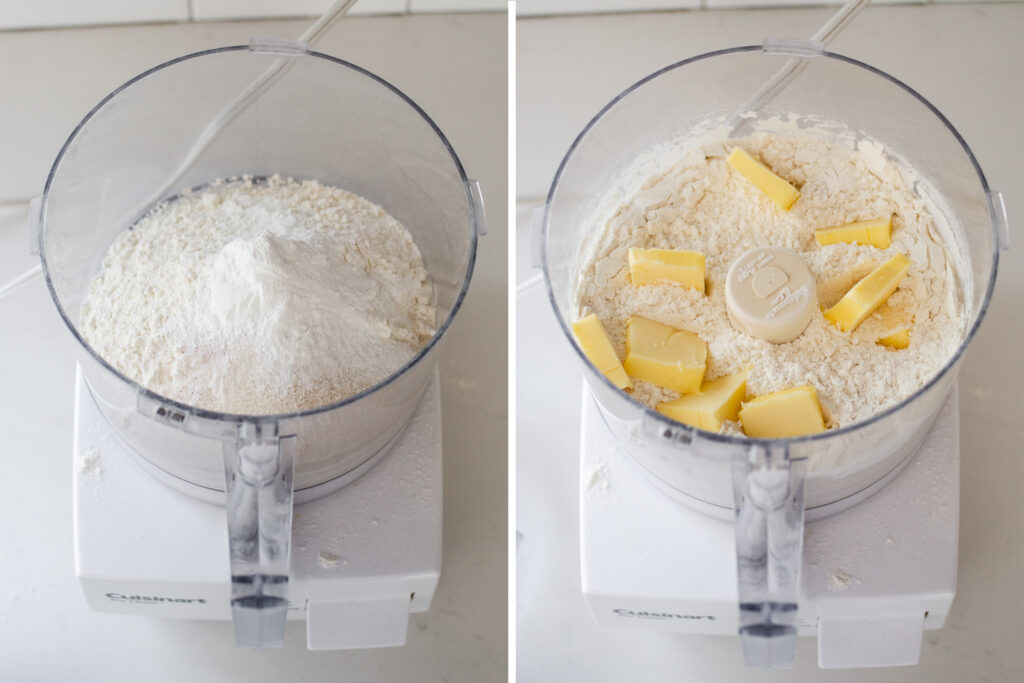
Place all of the dry ingredients into the bowl of a food processor. Pulse until well combined.
Add the butter in pieces (you can cut it into either slices or small cubes). Pulse until it resembles wet sand.
Note: This can also be done with a pastry blender, fork, two knives, etc. if you don't own a food processor. Or you could grate frozen butter using a cheese grater, then work it into the dry mixture.
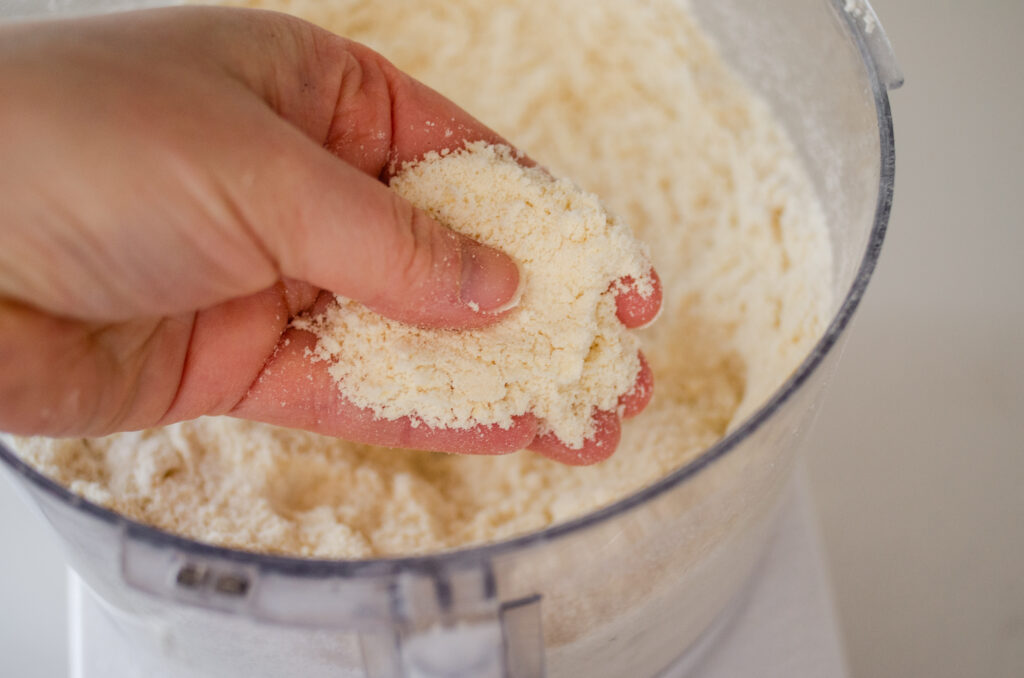
This is the texture you're going for. It should be well mixed with no large pieces of butter.
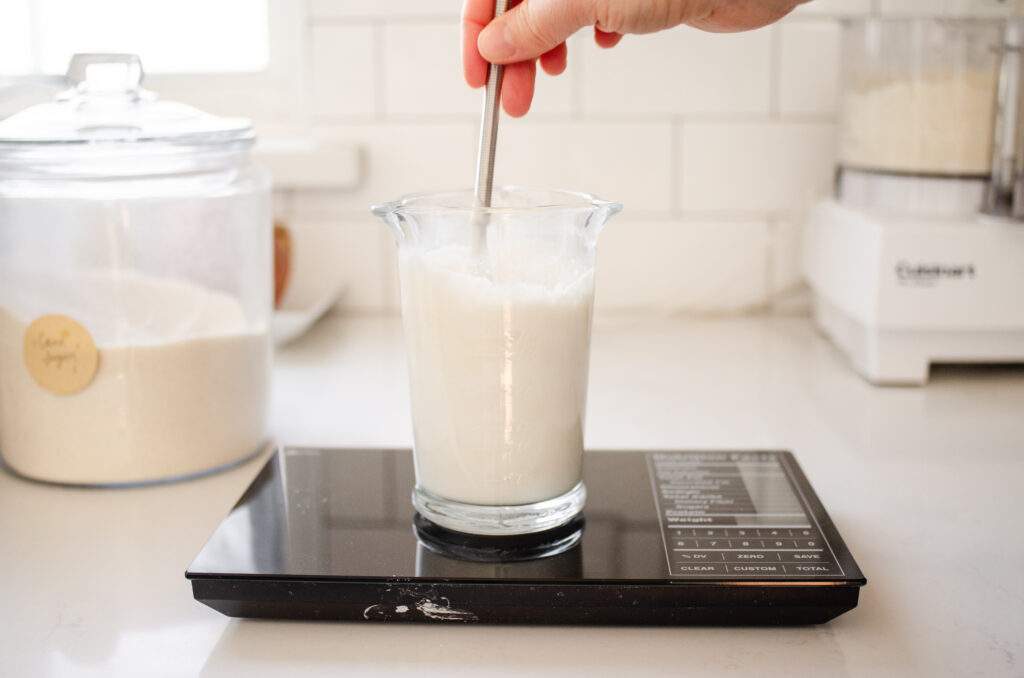
Whisk together the sourdough starter and milk until well combined.
I like to weigh the starter, but if you measure it by volume make sure to stir it down first for a more accurate measurement.
Mixing the Dough:
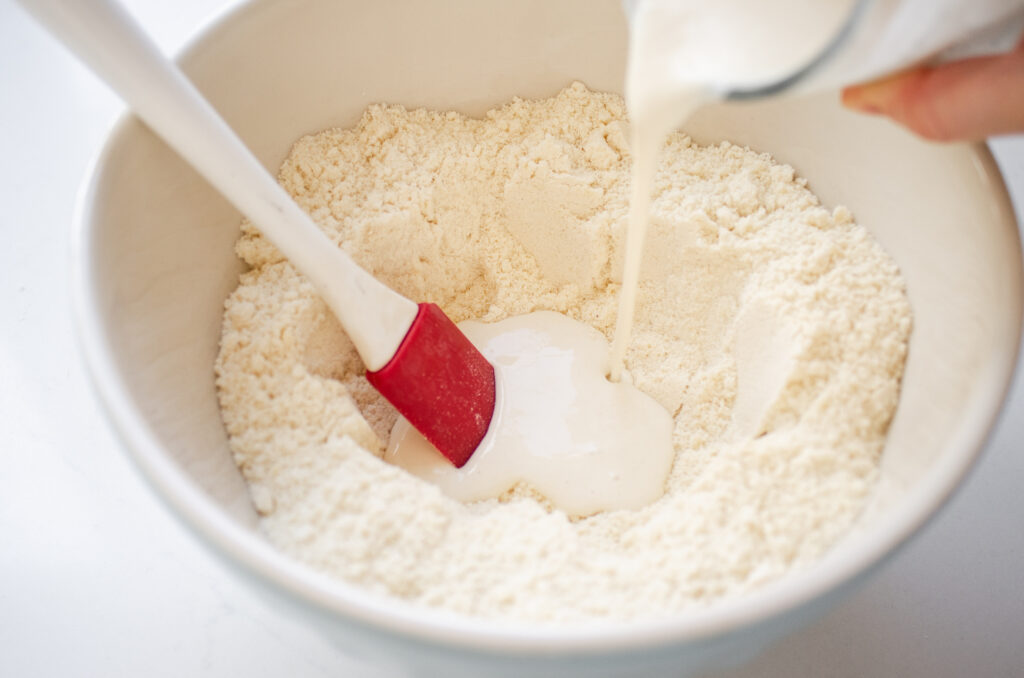
Dump the flour/butter mixture into a large mixing bowl.
Make a well in the center and pour the starter/milk mixture into it.
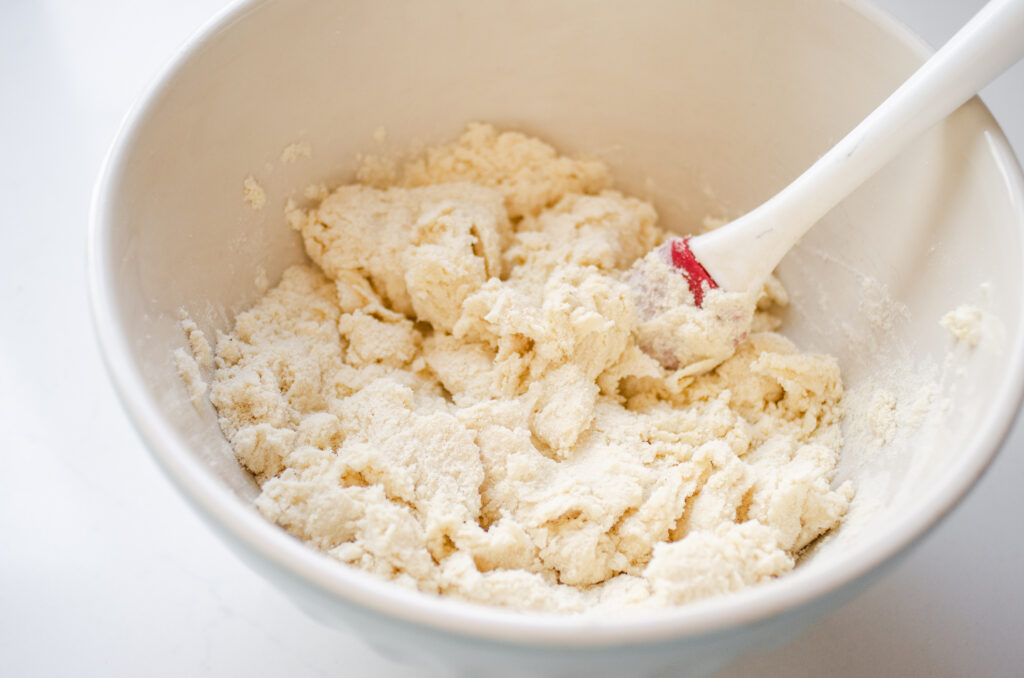
Gently stir and fold the wet ingredients into the dry ingredients until they start to come together into a shaggy dough.
You may need to add more milk if the dough seems very dry. It's okay if there are a few dry bits around the edges though! You don't want it to be a super dry or super sticky dough.
Just make sure to not over work the dough to ensure a tender crumb.
Folding the Dough:
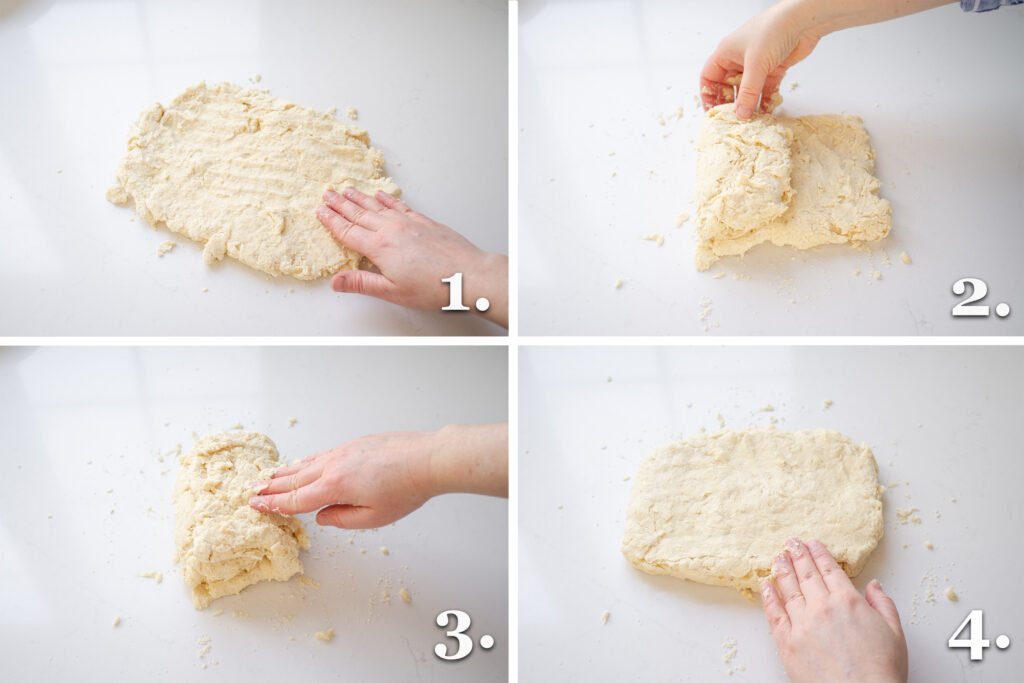
Now it's time to create the flaky layers!
- Dump the dough out onto a lightly floured surface. Pat it out into a rectangle.
- Fold ⅓ of the dough into the middle.
- Fold the other third of the dough over the first third. It's kind like folding a letter!
- Now pat the dough back out into a rectangle.
Repeat the folding steps once more. Then pat the dough out into 1 inch thick disk.
Shaping the Scones:
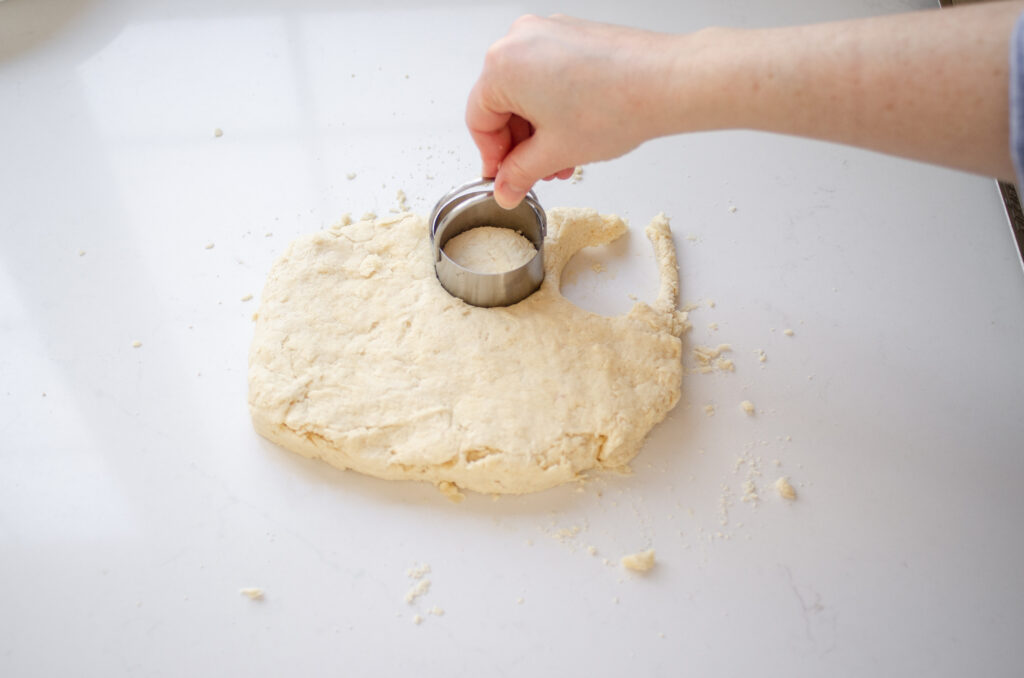
Stamp out the scones using a 2-inch biscuit cutter.
Gently gather any scraps, pat them back out to 1 inch thick, and cut out more scones.
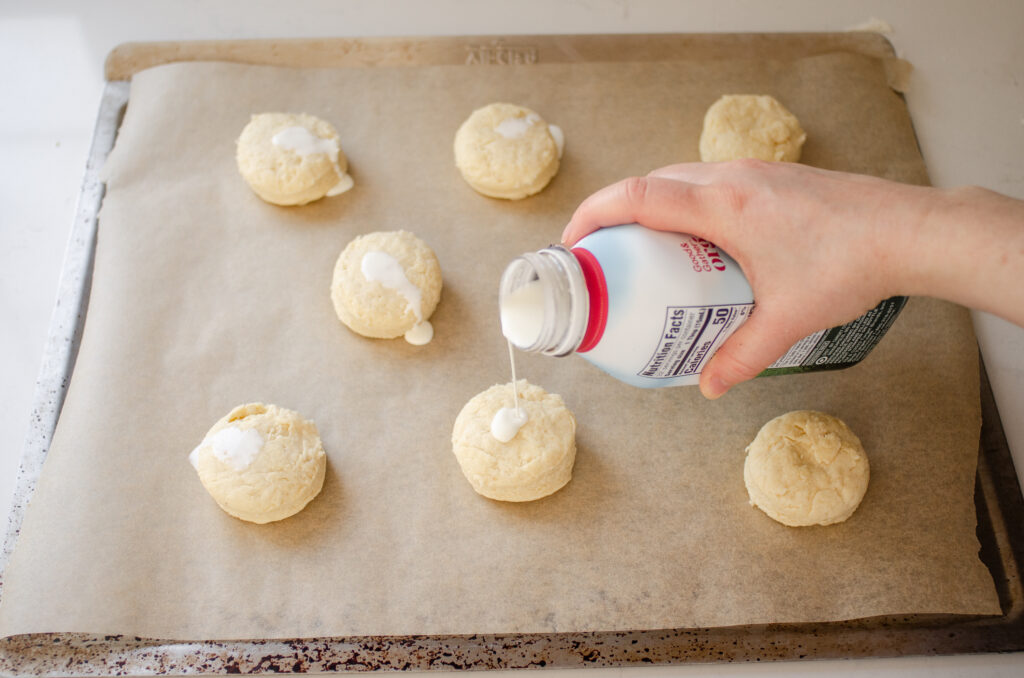
Place the scones on the prepared baking sheet.
Pour a little bit of heavy cream on top of each scone.
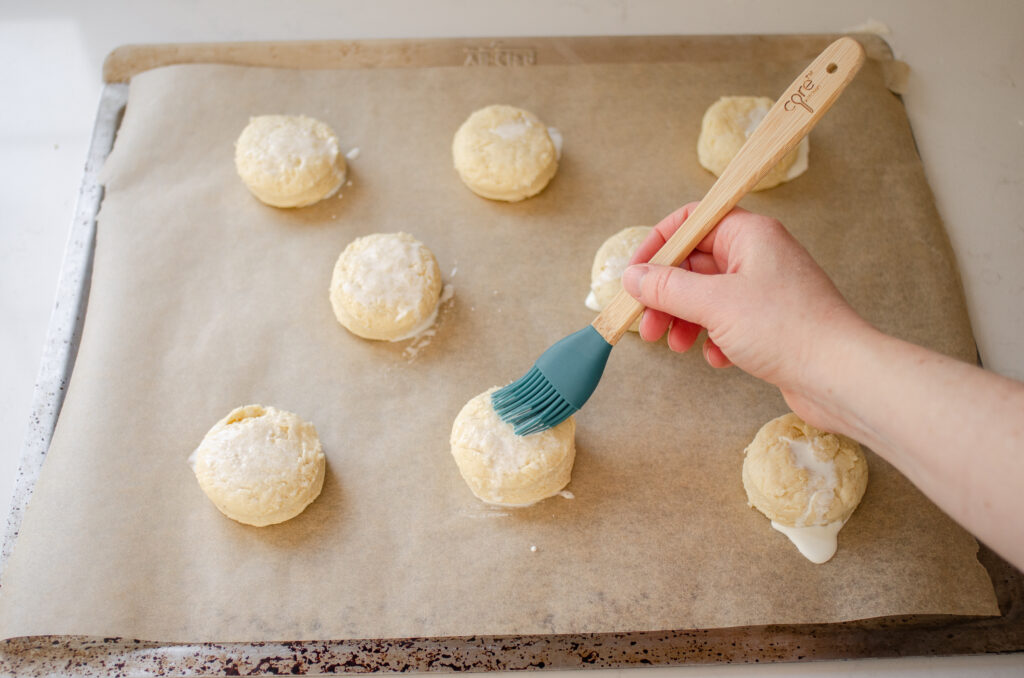
Brush out the cream evenly on top of the scones.
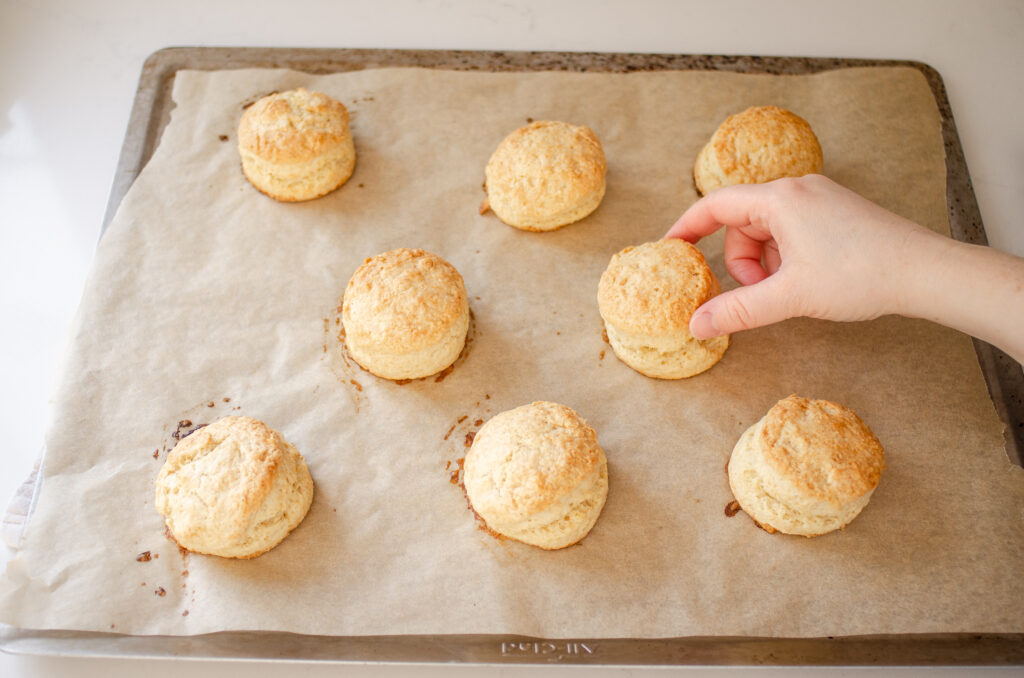
Bake in a 400° F (205° C) oven for 15-17 minutes, or until the scones are golden brown on the top and bottom.

Transfer the scones to a wire cooling rack.
Allow to cool for 5 minutes before serving.
Best Way to Serve Sourdough Scones:
Now, I'm going to be 100% honest with y'all: The best way to eat sourdough scones is warm from the oven.
They're still delicious reheated, but for the ultimate experience, eat them fresh.

There are many ways to top scones.
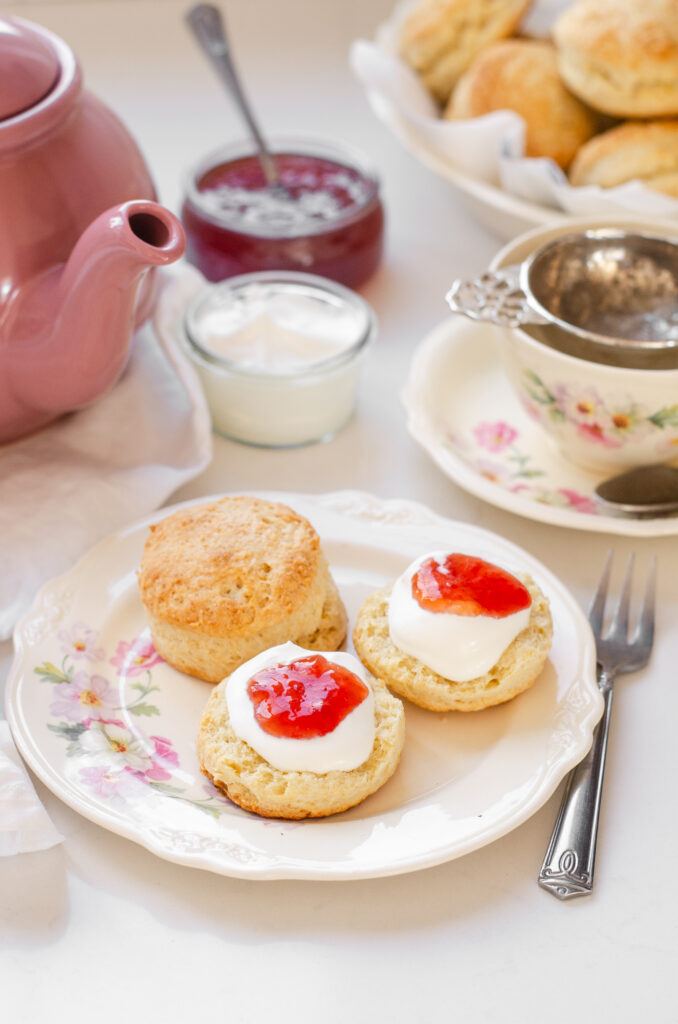
But my all-time favorite combo is clotted cream or whipped cream and jam. It's really difficult to beat.
Make sure to check out my Instant Pot Clotted Cream tutorial for an authentic British experience!
But you could also go for a butter and honey or lemon curd and blueberries combination!
Storing: Fridge or Freezer?
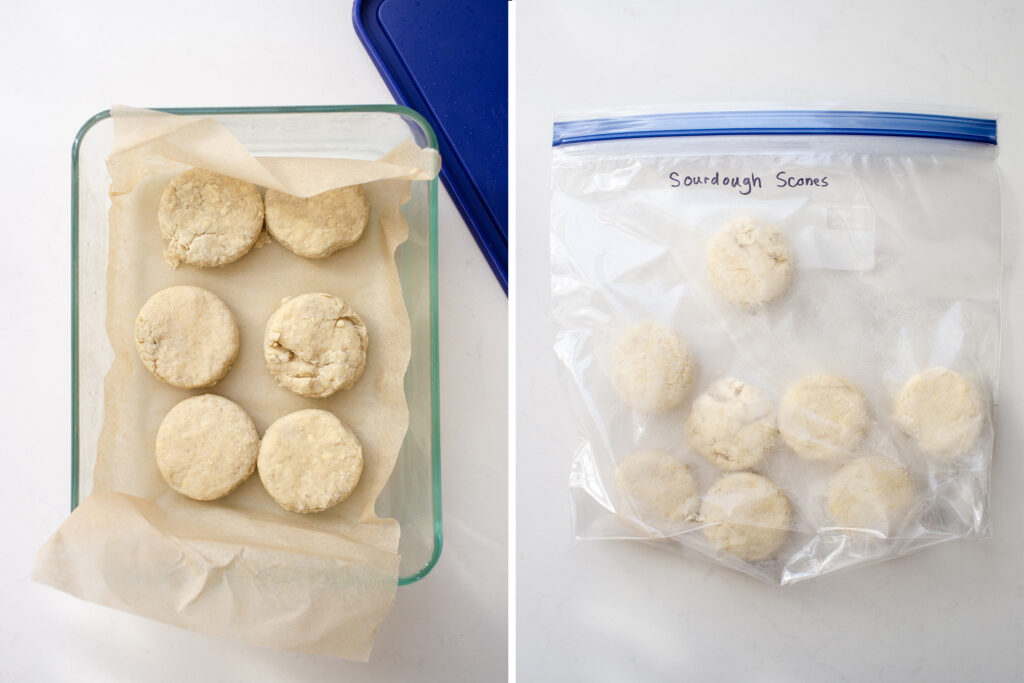
I decided to test out storing these sourdough scones unbaked in the refrigerator and the freezer to see which ones bake up better.
For the refrigerator scones I stored them in an airtight container. And for the frozen scones, I placed them in a freezer bag.
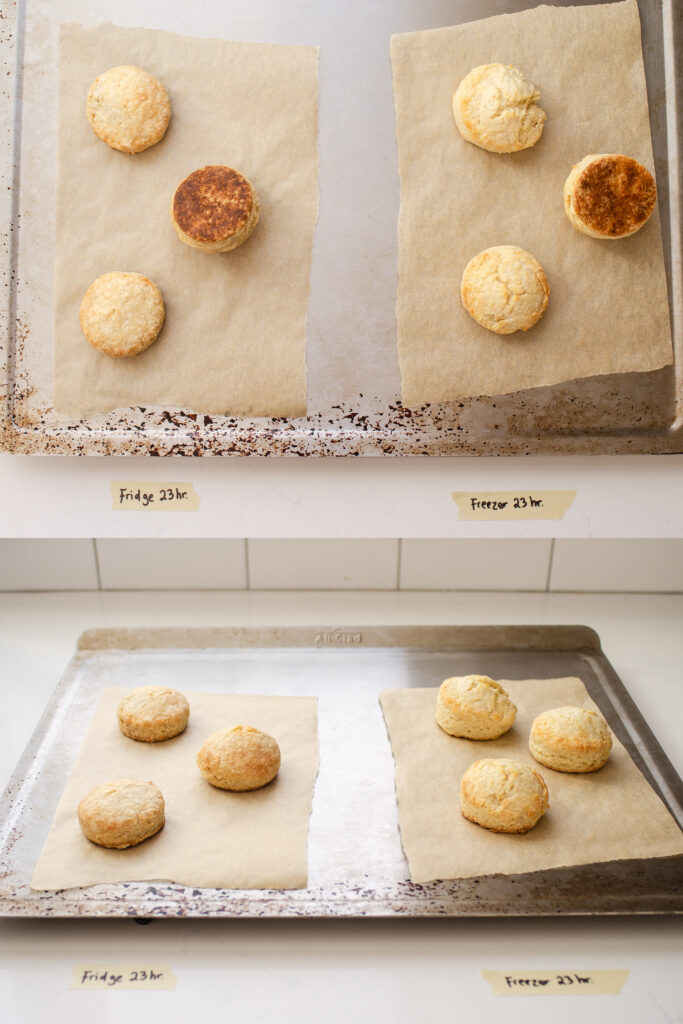
I stored each in the fridge and freezer for 23 hours, then baked them at 400° F, adding a few extra minutes to the baking time.
And I was quite shocked at the results!
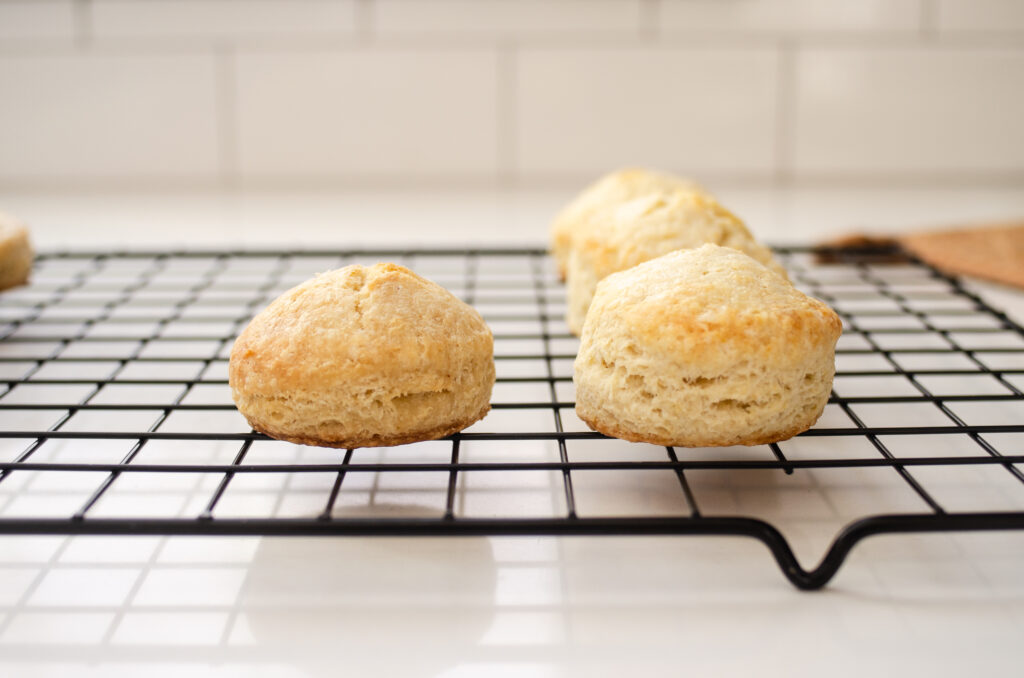
The scones stored in the freezer rose significantly higher and had a more "fresh" taste if that makes sense. I was expecting the fridge scones to bake up higher!
Now the scones stored in the fridge still had a lovely flavor, and it was actually a little deeper than the flavor of the freezer-stored scones. The texture was also quite good despite the less-than-spectacular rise.
But I found that after the first day in the fridge, the scones decreased in quality. So you'd only want to store them for up to 24 hours in the refrigerator.
Storing Baked Scones:
Of course you can store the baked scones in an airtight container at room temperature for a few days, in the fridge for about a week, or in the freezer for about 1-3 months.
Reheating:
A great way I have found to reheat these scones is to briefly run them under water, then bake for a few minutes. This helps to keep them from drying out too much while they're in the oven.
BTW I use my toaster oven/air fryer to reheat these.
Tips for the Best Scones:
- Cold Butter and Starter: Make sure your butter is cold from the fridge. The good news is you don't have to wait for your butter to soften! It's okay if the dry ingredients are room temperature, but at least the butter, starter, and milk should be cold!
- Cut the Butter in Well: You want to cut the butter into the flour until it resembles breadcrumbs or wet sand. Otherwise you'll have to adjust how much milk you use.
- Do Not Over Mix! If you want tender scones, do not over work the dough.
- Do Not Over Bake! And if you'd like to avoid dry scones, pay close attention when the baking timing is drawing to a close.
Make them your own!
Since this is a basic scone recipe, you can use it as a base to customize. You could add ½ cup of chocolate chips, raisins, currents, or other dried fruits, wild blueberries, a few teaspoons of lemon zest or orange zest, etc.
Have fun and get creative building on the basic ingredients!
More Scrumptious Scone Recipes:
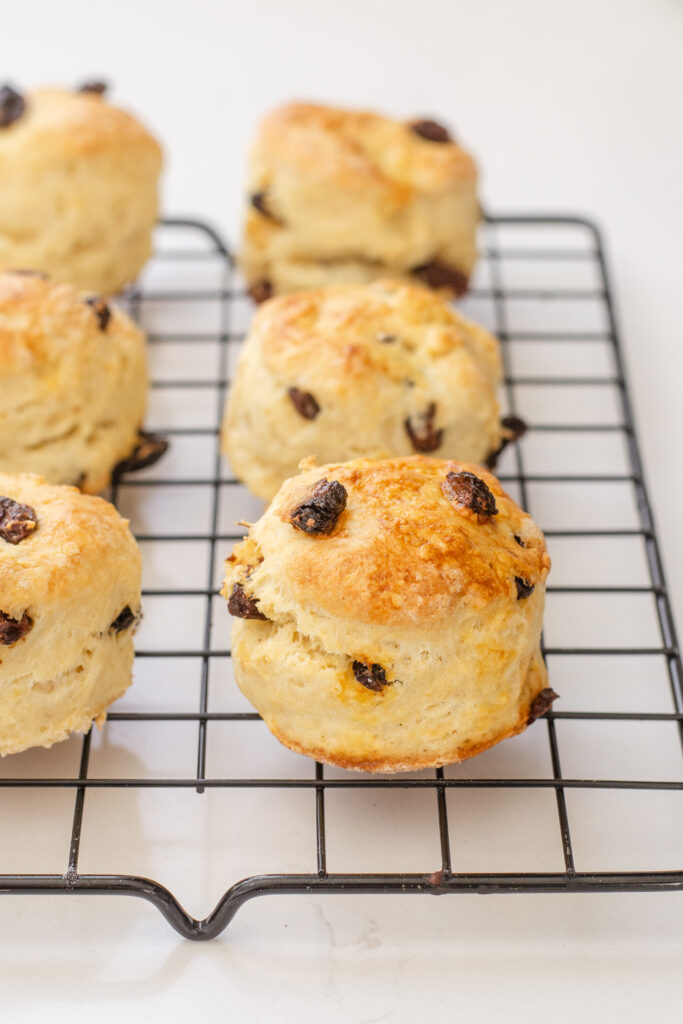
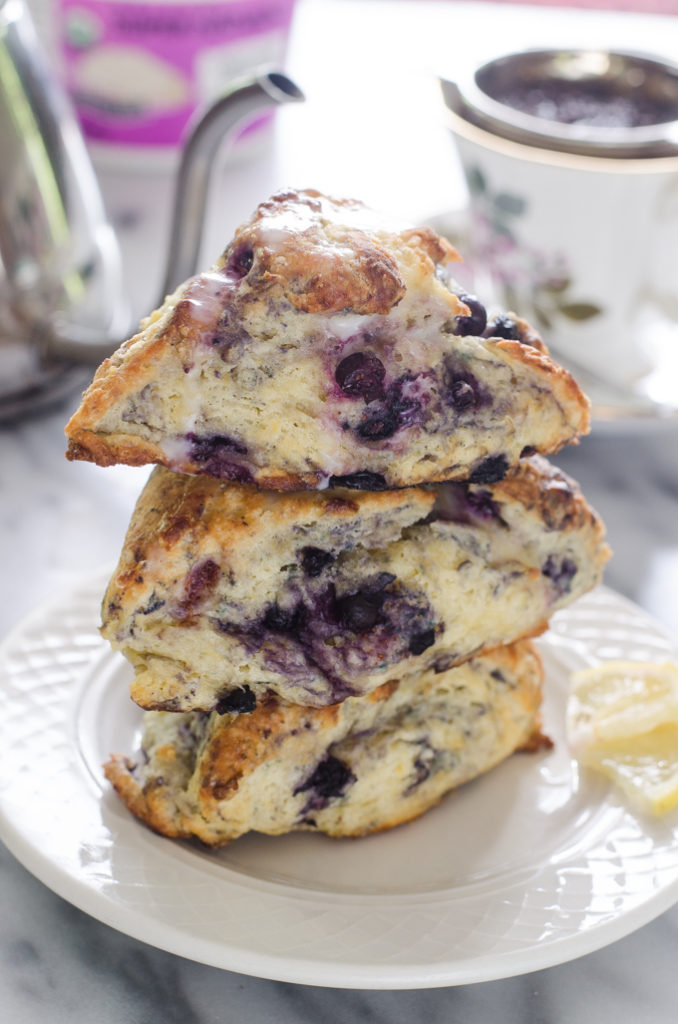
Blueberry Lemon Yogurt Scones (One of my most popular recipes!)

More Sourdough Discard Recipes:
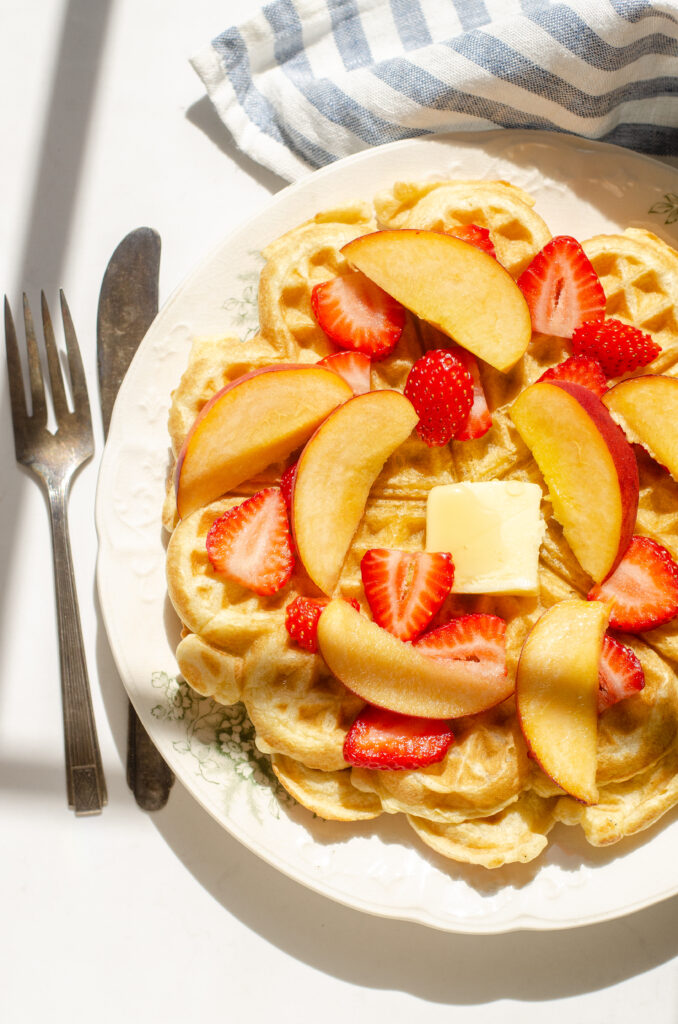

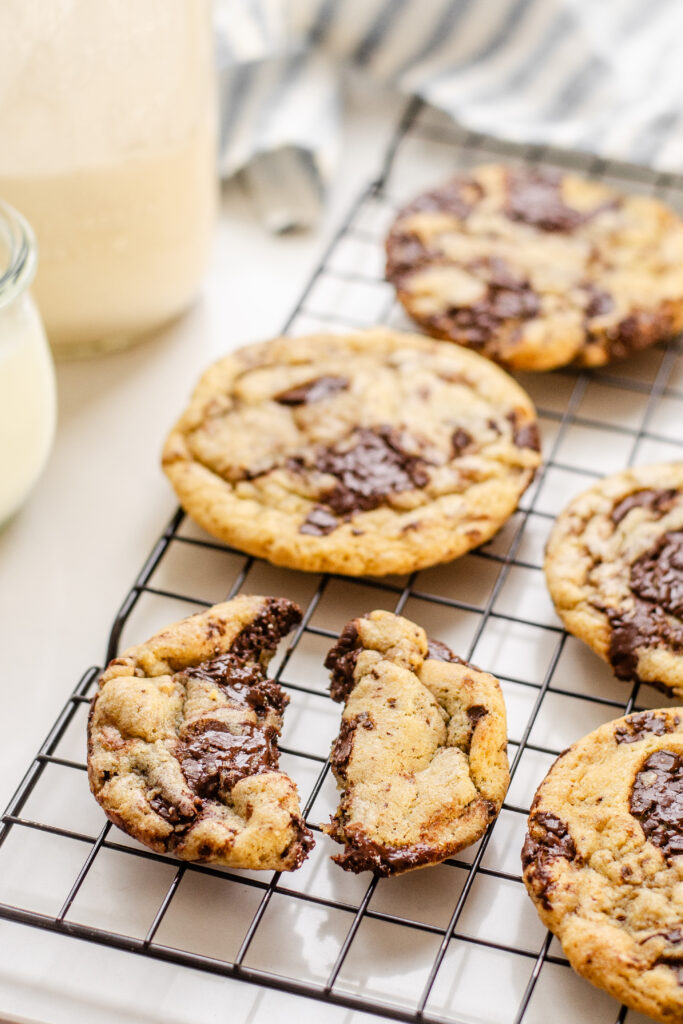
Sourdough Scones

These tender sourdough scones are the perfect way to use up some extra starter!
Ingredients
- 2 cups (245 grams) all-purpose flour
- 2 tablespoons (25 grams) granulated cane sugar
- 1 teaspoon unrefined sea salt
- ½ teaspoon baking soda
- 2 teaspoons baking powder
- 6 tablespoons cold butter, cut into pieces
- ½ cup (139 grams) cold sourdough starter (see note)
- ⅓ to ½ cup whole milk
- cream or egg white to brush on top, optional
Instructions
- Preheat oven to 400° Fahrenheit (205° Celsius). Line a heavy duty baking sheet with parchment paper and set aside.
- Place the dry ingredients in a food processor and pulse until well combined. Add the butter and pulse until it resembles breadcrumbs or wet sand (see post above for photo of proper texture).
- Transfer the mixture to a bowl. Make a well in the center.
- Whisk together the sourdough starter and milk until well combined. Pour into the well in the flour/butter mixture in the bowl. Gently mix with a spatula until a dough forms. Add more milk if needed to achieve the proper consistency. You want the dough to start to come together, but not be too sticky.
- On a floured surface, pat the dough out into a rectangle. Fold the dough into thirds (like folding a letter), then pat out into a rectangle again. Fold into thirds once more, then pat out into a disc that's 1 inch (2.54 cm) thick. Cut out with a 2-inch biscuit cutter.
- Place on the parchment lined baking sheet 2 inches apart. Brush a little cream on top of each scone, or use an egg wash if you prefer.
- Bake in preheated oven for 15-17 minutes, or until the scones are golden brown on the top and bottom. Transfer to a rack to cool for 5 minutes before serving.
Notes
Sourdough Starter: Stir down the starter before measuring by volume. Make sure your starter is fed at 100% hydration for the proper consistency. You can use either an active starter or discard in this recipe. If using an active starter, you'll probably need the higher amount of milk since it tends to be thicker than discard.
To Mix By Hand: You can cut the butter into the flour mixture by hand if you don't own a food processor. Use a pastry blender, a fork, etc. Just make sure to adequately cut the butter in so there's no large pieces!
Storing: Store any leftovers in an airtight container at room temperature for 1 day, or in the refrigerator for 3-5 days.
Make Ahead: You can freeze the unbaked scones. To bake, simply add a few minutes of time when baking!
Recommended Products
As an Amazon Associate and member of other affiliate programs, I earn from qualifying purchases.


Nutrition Information:
Yield:
15Amount Per Serving: Calories: 131Total Fat: 5.2gSaturated Fat: 3.2gTrans Fat: .2gCholesterol: 13mgSodium: 237mgCarbohydrates: 19gFiber: 1gSugar: 2gProtein: 2g